

Forex trading signals are essential tools for traders looking to enhance their strategies and make informed trading decisions. By utilizing expert analysis and market insights, traders can maximize their profitability. forex trading signal Forex Vietnam
Introduction to Forex Trading Signals
The world of Forex trading is both exciting and complex. For many traders, navigating this vast market can be daunting, especially when attempting to predict currency movements. This is where Forex trading signals come into play. These signals provide actionable insights and recommendations on when to buy or sell a currency pair, based on technical and fundamental analyses. Understanding how to use these signals effectively can transform your trading experience.
What Are Forex Trading Signals?
Forex trading signals are suggestions or alerts that help traders identify potential trading opportunities. They are typically generated by professional analysts and traders, utilizing various strategies and tools. These signals can be based on different types of analysis, including:
- Technical Analysis: This involves studying charts, patterns, and historical price movements to predict future trends. Indicators such as moving averages, RSI (Relative Strength Index), and Bollinger Bands are commonly used.
- Fundamental Analysis: Traders analyze economic indicators, news releases, and geopolitical events that might affect currency values. Key metrics like interest rates, inflation rates, and employment figures are vital for this analysis.
Types of Forex Trading Signals
Forex trading signals can be categorized into several types:
- Manual Signals: These are produced by experienced traders who analyze the market and share their insights via alerts or recommendations.
- Automated Signals: Generated by trading algorithms or software, these signals execute trades automatically based on predefined parameters.
- Copy Trading Signals: This method allows traders to copy the trades of experienced investors. Platforms that offer this service provide the choice to automatically mimic the trades of successful traders.
How to Interpret Trading Signals
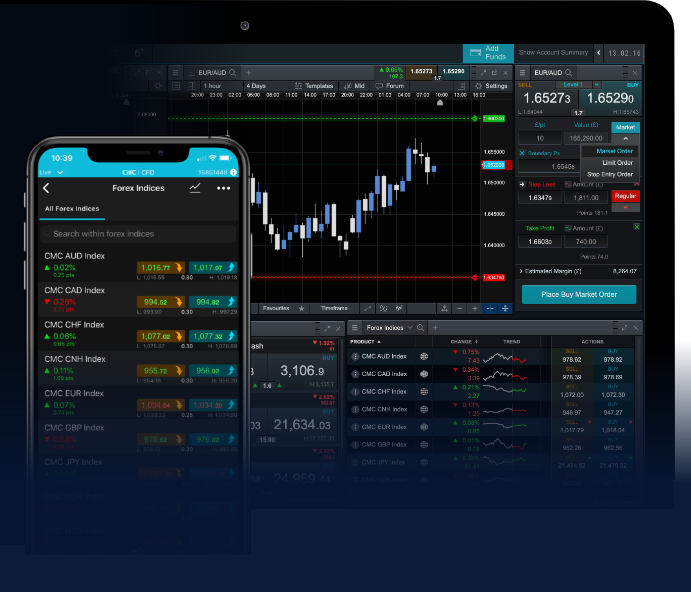
Understanding how to interpret and act on trading signals is crucial for successful trading. Signals usually come with specific information, including:
- Entry Point: The price at which to enter a trade.
- Exit Point: The target price to close the trade and take profits.
- Stop Loss: A predetermined price level to limit potential losses.
Traders should carefully evaluate these components before executing trades to ensure they align with their overall trading strategy and risk tolerance.
Choosing the Right Forex Trading Signal Provider
With many signal providers available, choosing the right one is critical. Here are some factors to consider:
- Reputation: Research the provider's track record and reviews from other traders.
- Performance History: Look for transparency regarding past performance, including win rates and average returns.
- Cost: Evaluate whether the cost of the service aligns with your budget and the potential returns on investment.
Benefits of Using Forex Trading Signals
The advantages of utilizing Forex trading signals are numerous:
- Saves Time: Signals help traders save time on market analysis, providing a quick way to identify potential trades.
- Increases Accuracy: Leveraging expert insights enhances the chances of making profitable trades.
- Reduces Emotional Trading: Following predefined signals can help traders avoid emotional decision-making, which often leads to losses.
Common Mistakes to Avoid When Using Forex Trading Signals
While trading signals can be beneficial, traders should be aware of common pitfalls:
- Blindly Following Signals: Always conduct your own analysis and ensure the signals align with your trading strategy.
- Ignoring Risk Management: Never risk more than you can afford to lose. Incorporating stop-loss orders is vital.
- Overtrading: Don't feel pressured to trade every signal. Focus on quality over quantity.
Integrating Forex Trading Signals into Your Strategy
Successfully integrating trading signals into your trading strategy involves a few key steps:
- Define Your Goals: Establish clear objectives for trading, including risk tolerance and profit targets.
- Develop a Trading Plan: Create a structured approach that outlines when to enter and exit trades based on signals.
- Monitor and Adjust: Regularly review performance and adjust your strategy based on outcomes and market changes.
Conclusion
Forex trading signals can vastly improve your trading journey when utilized effectively. By understanding what these signals are, how to interpret them, and integrating them into a solid trading strategy, you can enhance your profitability and navigate the Forex market with greater confidence. Always remember to combine signal trading with your analysis and risk management practices for the best results.