
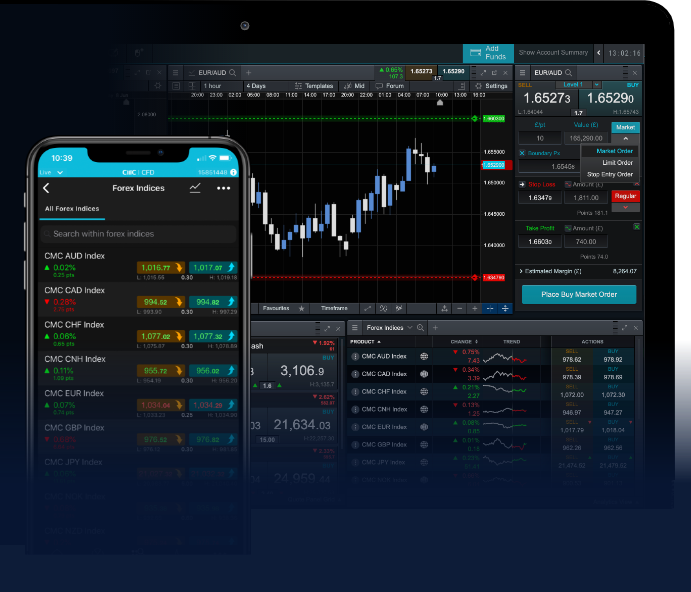
Mastering Forex Trading Techniques for Successful Trading
In the fast-paced world of forex trading, having a solid understanding of the different trading techniques is crucial for success. Whether you are a novice aiming to understand the basics or an experienced trader seeking to refine your skills, mastering various forex trading techniques can significantly improve your results. In this article, we will explore key strategies, how to implement them, and the importance of forex trading techniques Best Ivorian Brokers in finding the most suitable trading environment.
Understanding Forex Market Dynamics
The forex market is one of the most liquid and volatile financial markets globally. Price movements are influenced by multiple factors, including economic indicators, geopolitical events, and market sentiment. Understanding these dynamics is essential for developing effective trading strategies.
Technical vs. Fundamental Analysis
Forex traders often rely on two primary analysis methods: technical analysis and fundamental analysis.
- Technical Analysis: This method involves analyzing price charts and using indicators to predict future price movements. Traders utilize tools such as moving averages, Relative Strength Index (RSI), and Fibonacci retracements to identify potential entry and exit points.
- Fundamental Analysis: This approach focuses on economic indicators, news events, and financial reports. Traders analyze factors such as interest rates, employment data, and political stability to assess the health of a currency.
Popular Forex Trading Techniques
Now that we have a basic understanding of the forex market and the analysis methods, let's delve into some popular trading techniques that can help traders maximize their profit potential.
Scalping
Scalping is a short-term trading strategy aimed at making small profits from minor price changes. Traders who employ this technique typically focus on high-frequency trades and remain in positions for a few seconds to minutes. This technique requires a solid understanding of market dynamics and quick decision-making skills.
Day Trading
Day trading involves opening and closing trades within a single trading day. Traders aim to capitalize on intraday price movements, avoiding overnight risks. Effective day trading requires diligent analysis, quick execution, and the ability to manage emotions. Traders often use technical indicators to identify breakouts or reversals that could indicate trading opportunities.
Swing Trading
Swing trading is a medium-term strategy where traders hold positions for several days to capture short- to medium-term market movements. This technique is ideal for those who cannot monitor the markets all day but still want to take advantage of market fluctuations. Swing traders use both technical and fundamental analysis to identify potential trades.
Position Trading
Position trading is a long-term strategy where traders hold positions for weeks, months, or even years. This technique relies heavily on fundamental analysis to determine the overall trend of a currency pair. Position traders typically look for strong trends and economic indicators that suggest the potential for long-term gains.
Risk Management in Forex Trading
Regardless of the trading technique used, effective risk management should be a priority for every trader. Here are some essential risk management strategies:

- Set Stop-Loss Orders: A stop-loss order helps limit losses by automatically closing a position at a predetermined price.
- Position Sizing: Determine how much capital to risk on each trade. A common guideline is to risk no more than 2% of your account balance on a single trade.
- Use Leverage Wisely: While leverage can amplify profits, it also increases the risk of losses. Use leverage cautiously and ensure it aligns with your risk tolerance.
Choosing the Right Broker
Choosing a competent forex broker is critical to your trading success. Factors to consider when selecting a broker include:
- Regulation and Safety: Ensure the broker is regulated by a reputable authority to protect your funds.
- Trading Platform: The trading platform should be user-friendly and feature advanced tools to help you execute your strategies efficiently.
- Fees and Spreads: Compare the fee structures and spreads of different brokers to find the most cost-effective solution for your trading style.
Continuous Learning and Adaptation
The forex market is constantly evolving, and successful traders must adapt to new trends and techniques. Continuous learning through books, webinars, and trading forums can provide valuable insights into new strategies and market changes.
Keeping a Trading Journal
Maintaining a trading journal can help identify patterns in your trading behavior. Record your trades, the rationale behind each decision, and the outcomes. Analyzing this information can lead to improved decision-making and strategy refinement.
Conclusion
Forex trading can be a lucrative endeavor when approached with the right techniques and a solid risk management framework. By mastering different trading strategies, understanding market dynamics, and continuously learning, traders can significantly enhance their chances of success. Remember, whether you are trading for a few pips or holding positions for weeks, the key to success lies in effective planning and adaptation to market conditions.