
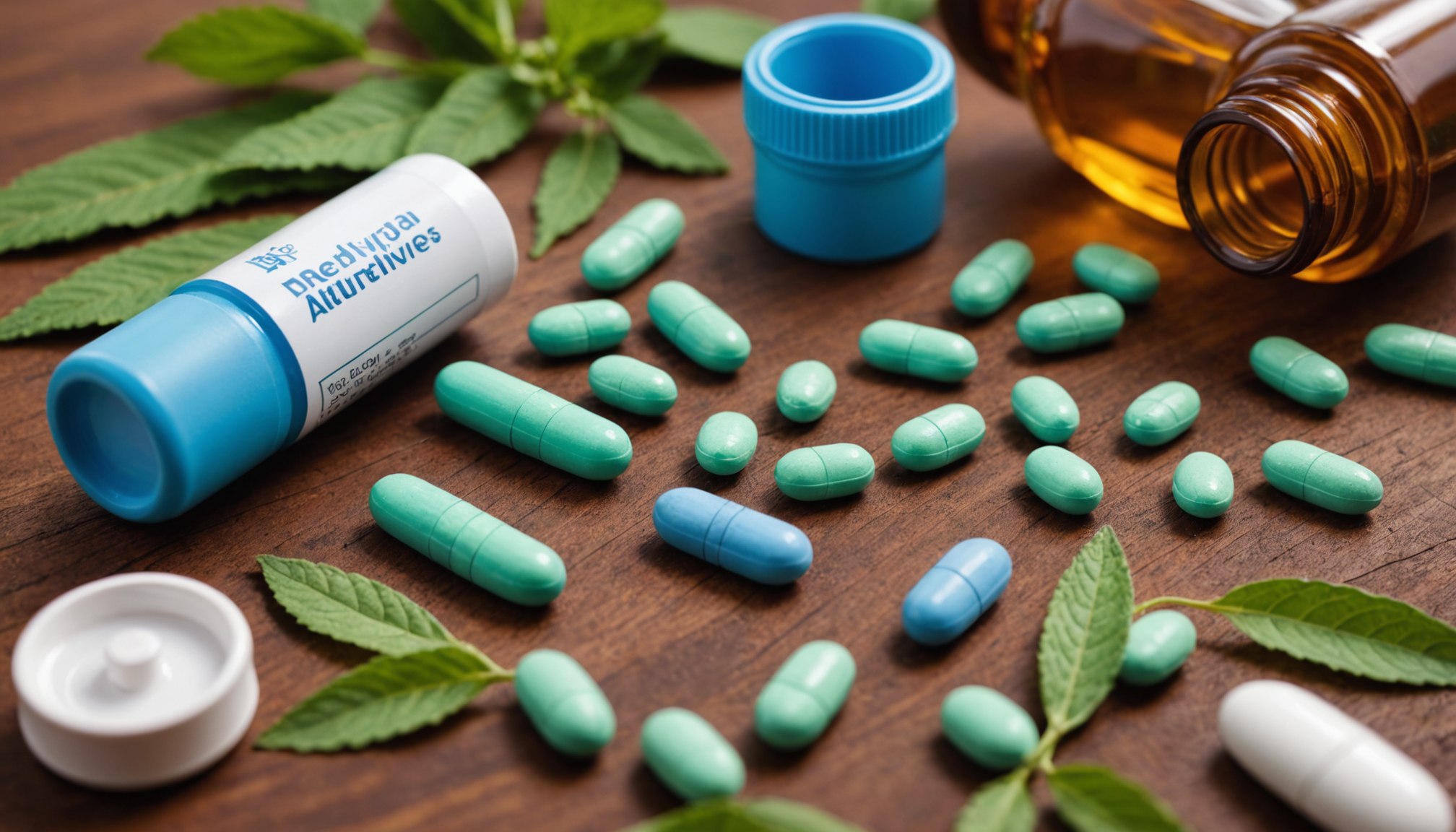
Herbal Viagra alternatives — answers to the main questions
Disclaimer: This article is for general educational purposes only and does not replace professional medical advice. Supplements are not regulated like prescription medicines; quality, safety, and effectiveness can vary.
Frequently asked questions
What are “herbal Viagra alternatives”?
This term refers to plant-based supplements marketed to support erectile function or libido without prescription drugs. They are not the same as Viagra (sildenafil) and do not contain an approved PDE‑5 inhibitor when sold legally.
Do herbal alternatives work like Viagra?
No. Viagra has a specific, proven mechanism and dosing. Herbal products may influence blood flow, stress, or hormones indirectly, and evidence is mixed.
Why do people look for natural options?
Common reasons include avoiding prescriptions, concerns about side effects, cultural preferences, or curiosity about “natural” remedies. Cost and privacy can also play a role.
Which herbs are most commonly mentioned?
Frequently cited options include ginseng, L‑arginine–containing formulas, yohimbe, maca, horny goat weed (icariin), and tribulus. Popularity does not equal proof.
Are herbal Viagra alternatives safe?
Safety varies widely. Some products are adulterated with hidden prescription drugs; others can raise blood pressure, interact with medications, or cause anxiety or heart symptoms.
How can I recognize a risky supplement?
Red flags include promises of “instant” results, claims to work exactly like Viagra, lack of ingredient transparency, and overseas sellers without testing information.
Can these supplements interact with my medications?
Yes. Interactions are possible with nitrates, blood pressure medicines, antidepressants, and stimulants. Yohimbe is especially interaction‑prone.
Are there dangers specific to erectile dysfunction (ED)?
ED can be an early sign of cardiovascular disease or diabetes. Self‑treating with supplements may delay diagnosis of an underlying condition.
What actually helps erectile health naturally?
Lifestyle measures—regular physical activity, sleep, stress management, weight control, and quitting smoking—have the strongest evidence for benefit.
When should I see a doctor?
If ED is persistent, sudden, painful, or associated with chest pain, shortness of breath, or depression, medical evaluation is important.
Is it possible to combine herbs with prescription ED drugs?
Combining without guidance is not advised. Some herbs may amplify side effects or interfere with drug metabolism.
Do “natural Viagra” products sold online contain drugs?
Regulators have repeatedly found undeclared sildenafil‑like substances in some products. This is a major safety concern.
Are there evidence‑based non‑drug options?
Yes. Pelvic floor exercises, counseling for performance anxiety, and managing chronic conditions are supported by clinical guidance.
Detailed breakdown
1) How Viagra works vs. how herbs are marketed
Viagra (a PDE‑5 inhibitor) improves blood flow to the penis during sexual stimulation with well‑studied efficacy and risks. Herbal alternatives are marketed to “support circulation,” “boost nitric oxide,” or “increase libido,” but they lack standardized dosing and consistent clinical results. Understanding this difference helps set realistic expectations.
2) Evidence snapshot for common ingredients
- Panax ginseng: Some small trials suggest modest benefit for ED; effects are variable.
- L‑arginine: A nitric‑oxide precursor; results are mixed and often modest.
- Yohimbe: Can have stimulant effects; safety concerns limit use.
- Maca & tribulus: May affect libido more than erections; limited ED evidence.
- Horny goat weed (icariin): Laboratory activity does not equal proven clinical benefit.
For deeper reading on supplements and regulation, see more in our Health & Fitness section.
3) Safety and quality concerns
Unlike prescription medicines, supplements are not pre‑approved for effectiveness. Quality varies by manufacturer, and contamination or adulteration has been documented by regulators. Choosing third‑party tested products reduces—but does not eliminate—risk.
4) ED as a health signal
Persistent erectile problems can precede heart disease by years. Blood vessel health, hormones, mental health, and medications all matter. Addressing root causes often improves sexual function more reliably than supplements.
5) Lifestyle strategies with the strongest support
Regular aerobic exercise, resistance training, sleep optimization, and stress reduction improve vascular function. Limiting alcohol and stopping smoking are particularly impactful. Counseling can help when anxiety or relationship factors contribute.
Related practical guides are available in our Health and Weight‑loss categories.
Checklist: what you can do today
- Review current medications with a clinician for ED‑related side effects.
- Prioritize regular physical activity and consistent sleep.
- Manage stress through mindfulness, therapy, or relaxation techniques.
- Stop smoking and moderate alcohol intake.
- Check blood pressure, blood sugar, and cholesterol as advised.
- Be skeptical of “instant” or “miracle” supplement claims.
- Choose products with transparent labeling and third‑party testing.
- Avoid combining supplements without professional guidance.
- Address relationship or performance anxiety openly.
- Seek medical evaluation for persistent or worsening symptoms.
| Symptom or situation | Urgency level | Where to seek help |
|---|---|---|
| Occasional difficulty, otherwise healthy | Low | Primary care; lifestyle review |
| Persistent ED for several months | Moderate | Primary care or urology |
| ED with anxiety or relationship stress | Moderate | Mental health professional; couples counseling |
| ED plus chest pain, shortness of breath | High | Emergency services |
| New ED after starting a medication | Moderate | Prescribing clinician |
Sources
- U.S. Food & Drug Administration (FDA) — Tainted Sexual Enhancement Products: https://www.fda.gov
- American Urological Association (AUA) — Erectile Dysfunction Guidelines: https://www.auanet.org
- National Institutes of Health (NIH) — Dietary Supplements: https://ods.od.nih.gov
- European Association of Urology (EAU) — Sexual and Reproductive Health Guidelines: https://uroweb.org
- American Heart Association (AHA) — Cardiovascular health and ED: https://www.heart.org